Benefits of Patient Access Call Centers in Reducing No-Show Rates

Patient no-shows are a persistent and costly problem for healthcare providers. Each missed appointment represents lost revenue, wasted clinical time, and a disruption in the continuum of care for patients. While some no-shows are unavoidable, many occur due to simple communication breakdowns or a lack of patient engagement. Implementing a dedicated patient access call center provides a strategic solution to this challenge. By centralizing communication and proactively engaging with patients, these specialized services can significantly reduce no-show rates and improve operational efficiency.
Proactive and Personalized Appointment Reminders
While automated text and email reminders are standard practice, they are often impersonal and easy to ignore. A specialized call center elevates this process by adding a human touch that technology alone cannot replicate.
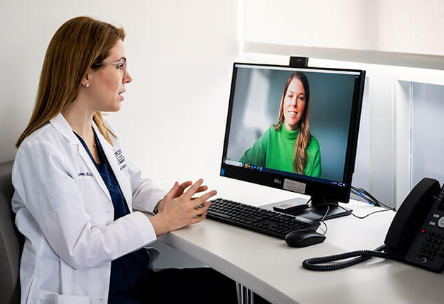
A live agent can do more than just remind a patient of their appointment time. They can confirm the details, ask if the patient has any questions, and provide important pre-visit instructions. This personal interaction creates a stronger sense of commitment and accountability for the patient. It transforms the appointment from a line item on a calendar into a confirmed plan with another person, making them less likely to forget or cancel without notice.
Addressing Barriers to Care
Many no-shows happen because patients encounter logistical hurdles. A dedicated call center is uniquely positioned to identify and resolve these issues before they lead to a missed appointment.
During a reminder call, an agent can uncover potential problems. For example, a patient might mention they have trouble with transportation or are unsure about their insurance coverage. An agent can then provide information on transport services or transfer the patient to a financial counselor. This proactive problem-solving removes obstacles that would otherwise prevent the patient from attending. It is also important to consider how access to their own information empowers patients to be more involved in their care, a principle that call centers support through clear communication.
See also: Lifestyle Choices and Their Impact on Long-Term Health
Optimizing Scheduling and Backfilling Cancellations
Even with the best reminder system, cancellations will still occur. The key is to manage them efficiently to minimize their financial impact. When a patient cancels during a confirmation call, the agent can immediately access the schedule to offer the newly vacant slot to someone on a waitlist. This rapid backfilling is far more effective than leaving it to chance or overburdening front desk staff.
It helps maintain a full schedule and ensures that clinical time is utilized effectively. Practices with robust patient outreach strategies consistently report lower no-show rates and higher operational performance.
Conclusion
Reducing patient no-show rates requires more than just a simple reminder. It demands a proactive, personalized, and problem-solving approach to patient communication. A patient access call center provides the dedicated resources and human touch needed to build patient engagement, address logistical barriers, and manage scheduling with unparalleled efficiency. By investing in this specialized service, healthcare organizations can protect their revenue, optimize their clinical schedules, and ensure patients receive the timely care they need.