How Weather Conditions Impact Utility Marking Paint Performance
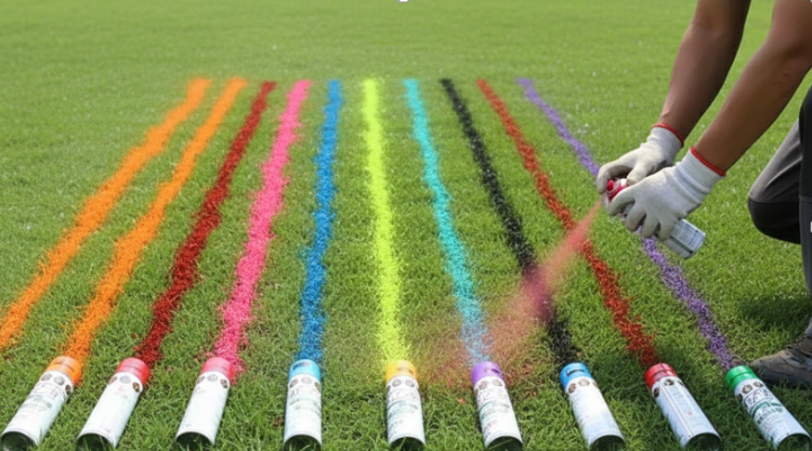
The accuracy and visibility of underground utility markings are critical for preventing costly damages and ensuring the safety of excavation crews and the public. The bright, color-coded lines serve as a vital communication tool, indicating the location of buried pipes, cables, and conduits. The performance of the utility marking paint used for this task is paramount, but its durability and longevity can be significantly affected by various weather conditions encountered during and after application. Understanding these impacts is key to ensuring markings remain clear and reliable.
The Challenge of Temperature Extremes
Both hot and cold weather present unique challenges for the application and curing process of marking paints. These conditions can alter the paint’s viscosity, drying time, and its ability to properly adhere to the surface.
Application in Cold Weather
When temperatures drop, the solvents in aerosol paints can become less effective, causing the paint to become thicker. This can lead to clogging in the nozzle and an inconsistent, weak spray pattern. More importantly, cold surfaces can hinder proper adhesion. If the ground is frozen or near freezing, the paint may not bond correctly, leading it to flake or peel away prematurely once temperatures fluctuate.
Application in Hot Weather
Conversely, extreme heat can cause the paint to dry too quickly. The solvents may evaporate before the paint has fully leveled and bonded with the surface, resulting in poor adhesion and a brittle finish that is susceptible to cracking. High surface temperatures can also cause the paint to bubble or blister, compromising the mark’s visibility and integrity.
The Impact of Moisture and Precipitation
Moisture is a significant adversary to any coating application. Rain, humidity, and even morning dew can ruin a fresh marking or degrade an existing one over time.
Applying Paint on Damp Surfaces
Applying marking paint to a wet or damp surface is one of the most common causes of application failure. Water acts as a barrier, preventing the paint from making direct contact with the substrate, be it grass, asphalt, or dirt. This leads to almost immediate peeling and flaking. For this reason, professional locators will always ensure the surface is dry before application. You can review additional information on the meaning of various colors and symbols used in the field.
Long-Term Effects of Rain and UV Exposure
Once cured, the markings must endure the ongoing effects of the weather. Constant exposure to rain can slowly erode the paint, especially lower-quality formulations. However, the biggest long-term threat is often the sun. Ultraviolet (UV) radiation breaks down the pigments in the paint, causing the vibrant safety colors to fade. Maintaining the legibility of markings throughout the life of a project is a shared responsibility, and faded marks can lead to dangerous misinterpretations. Professional-grade paints contain UV inhibitors to resist this fading and extend the life of the mark.
See also: Must-Have Skills Every Future Cardiologist Should Start Building Today
Wind and Surface Contaminants
Other environmental factors can also interfere with the quality of utility markings. Strong winds can disrupt the spray pattern of an aerosol can, leading to overspray and indistinct lines. Wind also blows dust, dirt, and debris onto the surface during application, which can become trapped in the wet paint and compromise both adhesion and visibility. A clean surface is essential for a lasting mark, and professionals take care to clear the area before painting.
Conclusion
The reliability of a utility marking is directly tied to the quality of the paint used and the conditions in which it is applied. Temperature, moisture, sunlight, and wind all play a significant role in the performance and longevity of these critical safety indicators. Using professional-grade paints formulated to withstand these environmental challenges is essential for ensuring that markings remain vibrant, durable, and clearly visible from the start of an excavation project until the job is safely completed.