Strategic Risk Monitoring File for 955440694, 2097558239, 911210047, 938888889, 5403180232, 917886821
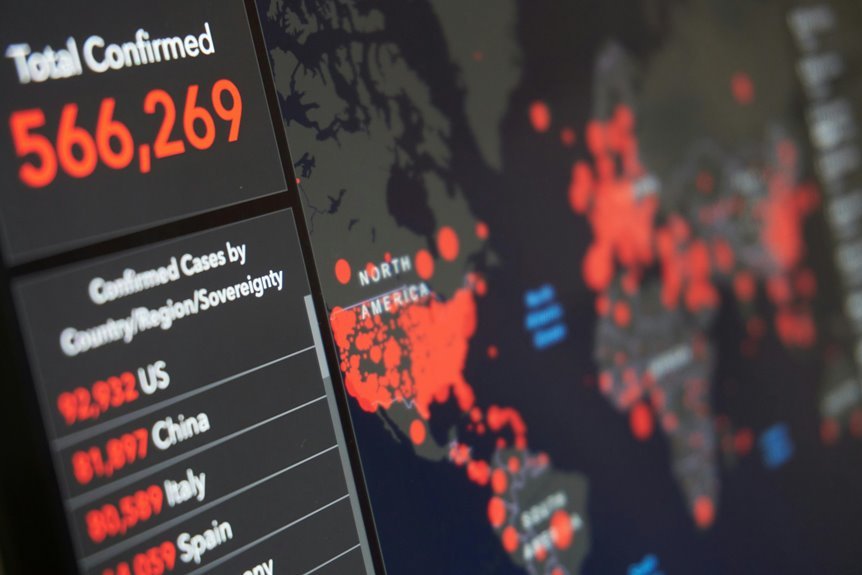
The Strategic Risk Monitoring File for projects 955440694, 2097558239, 911210047, 938888889, 5403180232, and 917886821 plays a crucial role in risk management. It outlines potential threats and corresponding mitigation strategies. Regular updates and stakeholder engagement are essential components. This framework not only ensures alignment with project objectives but also enhances decision-making capabilities. The implications of such a systematic approach warrant further exploration, particularly regarding its long-term impact on project success.
Understanding Strategic Risks in Project Management
Strategic risk in project management embodies the potential for adverse outcomes that can significantly impact the achievement of project objectives.
Effective risk assessment and project evaluation are essential for identifying and addressing potential threats.
Risk mitigation strategies, combined with stakeholder engagement and project adaptability, enhance resilience.
Monitoring performance indicators further enables project managers to respond proactively to emerging risks, ensuring alignment with overall project goals.
Components of an Effective Strategic Risk Monitoring File
While effective monitoring of strategic risks is crucial for project success, a comprehensive risk monitoring file must include several key components to ensure thorough oversight.
These components encompass systematic risk identification processes and detailed documentation of mitigation strategies.
Additionally, regular updates and assessments facilitate timely responses to emerging risks, promoting proactive management and safeguarding project objectives against potential threats to success.
Benefits of Implementing a Strategic Risk Monitoring Framework
Implementing a strategic risk monitoring framework offers organizations a structured approach to identify, assess, and mitigate potential threats to their objectives.
This framework enhances risk assessment processes, enabling proactive management of uncertainties.
Best Practices for Maintaining and Updating the Monitoring File
Maintaining and updating the monitoring file requires a systematic approach to ensure its relevance and effectiveness in risk management.
Regular risk assessments and thorough data analysis are essential practices. Organizations should implement scheduled reviews to identify emerging risks and adapt strategies accordingly.
Additionally, integrating feedback from stakeholders enhances the file’s accuracy, contributing to informed decision-making and fostering a culture of proactive risk management.
Conclusion
In conclusion, the Strategic Risk Monitoring File serves as a compass, guiding project managers through the turbulent waters of uncertainty. By systematically identifying risks and implementing mitigation strategies, organizations can navigate challenges with resilience and adaptability. The ongoing maintenance and engagement with stakeholders not only fortify project objectives but also cultivate a culture of proactive risk management. Ultimately, this framework enhances decision-making processes, ensuring projects remain aligned with their overarching goals and achieve sustained success.