Tips for Fireproof and Acoustic Insulation in Modern Buildings
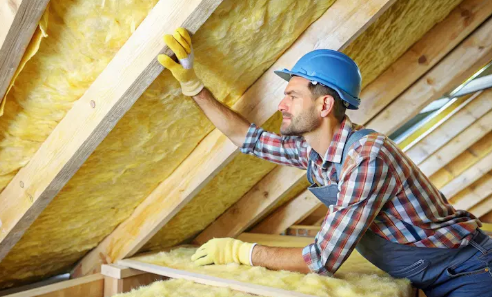
Modern construction in Spain increasingly focuses on safety, energy efficiency, and comfort. Whether it’s a residential building in Valencia or an industrial facility across the region, proper insulation plays a key role in protecting occupants and improving overall building performance. Fireproofing materials help prevent the spread of flames, acoustic insulation reduces unwanted noise, and thermal solutions maintain comfortable indoor temperatures throughout the year. Builders, architects, and property owners often explore expert resources like Acusfoc when learning about advanced insulation systems that meet Spanish construction standards and industry expectations.
Why Insulation Matters in Modern Spanish Construction
Spain’s climate and urban development patterns make insulation an essential element of modern building design. Cities like Valencia experience warm summers and mild winters, making thermal insulation important for maintaining indoor comfort and reducing energy consumption. At the same time, fire safety regulations have become stricter to ensure the protection of residents and workers.
Insulation provides three main benefits:
Fire resistance: Slows the spread of flames and protects structural elements.
Acoustic comfort: Reduces noise pollution from traffic, machinery, or neighboring units.
Energy efficiency: Keeps indoor spaces cooler in summer and warmer in winter.
Proper insulation not only meets regulatory requirements but also enhances the overall quality and sustainability of construction projects.
Fireproofing: A Key Component of Building Safety
Fireproofing, also known as ignifugación in Spanish construction terminology, is one of the most critical aspects of building safety. Materials used for fireproof insulation are designed to resist heat and prevent structural collapse during a fire.
Common fireproofing techniques include:
Protective coatings for steel and concrete structures
Fire-resistant panels and barriers
Specialized insulation materials that slow flame spread
These solutions are especially important in industrial buildings, warehouses, and commercial facilities where fire risks may be higher due to machinery or stored materials.
Spanish building codes emphasize fire resistance ratings and proper installation methods. Working with professionals ensures compliance with local regulations and reduces potential liability.
Understanding Acoustic Insulation in Urban Areas
Noise pollution is a growing concern in busy Spanish cities. Apartments, offices, and mixed-use buildings often struggle with sound transfer between rooms and floors. Acoustic insulation helps create quiet, comfortable spaces by minimizing vibrations and blocking airborne noise.
Key acoustic solutions include:
Sound-absorbing panels
Double-wall construction with insulation layers
Floating floors that reduce impact noise
Sealing gaps around windows and doors
For businesses such as recording studios, manufacturing facilities, and educational centers, acoustic performance is not just a luxury—it’s a necessity.
Thermal Insulation and Energy Efficiency
Thermal insulation plays a crucial role in reducing energy consumption and improving indoor comfort. In Spain, where energy costs and sustainability concerns are increasing, efficient insulation systems help lower heating and cooling expenses.
Effective thermal insulation materials include:
Mineral wool
Polyurethane foam
Expanded polystyrene panels
Reflective insulation barriers
Buildings with high-quality thermal insulation often achieve better energy ratings, making them more attractive to buyers and tenants.
Spanish Regulations and Industry Standards
Spain has strict construction regulations to ensure building safety and environmental performance. The Código Técnico de la Edificación (CTE) outlines requirements for fire safety, acoustic performance, and energy efficiency.
Contractors must consider:
Fire resistance classifications
Noise reduction levels
Thermal performance values
Environmental sustainability standards
Meeting these regulations is essential for obtaining permits and ensuring long-term structural safety.
Fireproof Insulation in Industrial Applications
Industrial facilities face unique challenges due to high temperatures, machinery, and potential fire hazards. Fireproof insulation protects workers, equipment, and property from catastrophic damage.
Typical industrial applications include:
Factories and manufacturing plants
Chemical processing facilities
Warehouses and logistics centers
Power generation installations
Properly installed fireproofing materials can significantly reduce downtime and financial losses during emergencies.
Acoustic Solutions for Commercial Spaces
Commercial buildings such as hotels, restaurants, and offices rely on acoustic insulation to create comfortable environments. Customers and employees expect quiet spaces where conversations and work can occur without disruption.
Acoustic design strategies may include:
Installing suspended ceilings with sound-absorbing panels
Using insulated partition walls
Adding vibration isolation systems for machinery
These solutions improve productivity, customer satisfaction, and overall building functionality.
Fireproofing Residential Buildings
Residential safety is a top priority in Spain’s construction industry. Fireproof insulation protects families and reduces risks in multi-story apartment complexes and housing developments.
Common residential fireproofing methods include:
Fire-resistant doors and partitions
Insulated electrical and plumbing pathways
Flame-retardant materials in ceilings and walls
In addition to safety, these measures may help reduce insurance costs and increase property value.
Choosing the Right Insulation Materials
Selecting insulation materials depends on several factors:
Type of building (residential, commercial, industrial)
Climate conditions
Fire safety requirements
Noise reduction goals
Budget and sustainability objectives
Professional guidance ensures the right combination of materials for optimal performance.
Benefits of Professional Installation
While insulation materials are widely available, professional installation is crucial for achieving expected results. Incorrect placement can lead to gaps, reduced performance, or even safety risks.
Experienced installers provide:
Accurate assessments of building needs
Compliance with Spanish regulations
Proper sealing and fitting techniques
Long-term durability and reliability
Professional work often prevents costly repairs and ensures that insulation functions effectively for years.
Sustainability and Environmental Impact
Eco-friendly construction practices are becoming more important across Spain. Insulation plays a significant role in reducing carbon emissions by improving energy efficiency.
Sustainable insulation options may include:
Recycled materials
Low-emission production processes
Long-lasting products that reduce waste
Green building certifications and energy ratings can also enhance a project’s reputation and market value.
Common Mistakes to Avoid in Insulation Projects
Many property owners make avoidable errors when planning insulation upgrades.
Some common mistakes include:
Choosing materials based only on price
Ignoring fire safety standards
Overlooking acoustic requirements
Hiring inexperienced contractors
Taking a strategic approach from the beginning helps prevent costly corrections later.
Future Trends in Insulation Technology
The construction industry continues to innovate with new insulation technologies designed to improve safety and performance. Emerging trends include:
Smart insulation systems with temperature monitoring
Lightweight fire-resistant materials
Hybrid acoustic and thermal panels
Advanced coatings for improved fire protection
These innovations are helping Spanish buildings become safer, more efficient, and more sustainable.
Long-Term Benefits of Quality Insulation
Investing in proper insulation delivers benefits that extend far beyond initial construction. Property owners enjoy:
Reduced energy bills
Increased building lifespan
Enhanced comfort and productivity
Improved safety during emergencies
High-quality insulation also supports environmental goals by reducing resource consumption and promoting sustainable living.
Final Thoughts on Fireproof and Acoustic Insulation
In today’s construction industry, insulation is more than just an added feature—it is a fundamental element of building safety, efficiency, and comfort. From fireproofing industrial facilities to creating quiet residential environments, the right solutions help protect people and property while meeting Spain’s strict regulatory standards. Builders and property owners who prioritize professional guidance and advanced materials can achieve long-lasting results that enhance both performance and value. For those seeking trusted information and expertise related to fire safety and insulation in Valencia, resources such as acusfoc.com offer valuable insights into modern construction practices and industry-approved solutions that support safer, more efficient buildings across Spain.