Using Marine Grade LCD Panels on Ships, Yachts, and Offshore Platforms
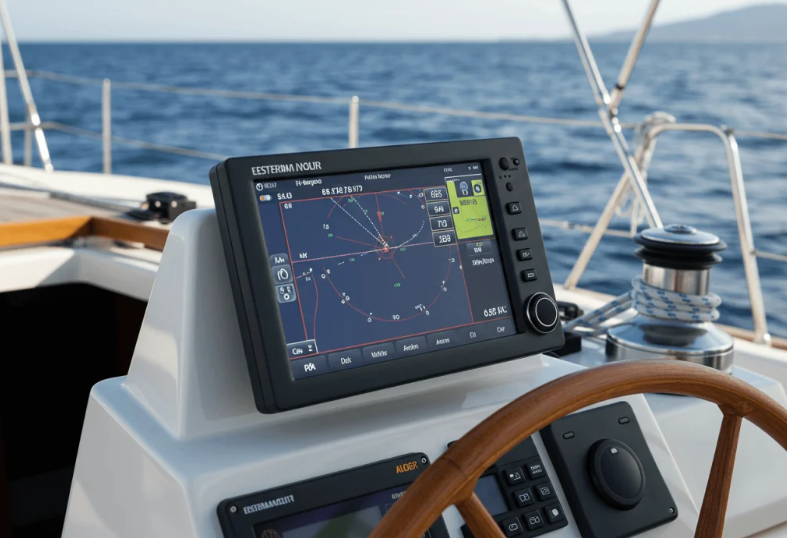
Electronics and salt water rarely get along. On ships, yachts, and offshore platforms, standard office displays wear out fast because of constant vibration, salty air, humidity, and temperature swings. That is why marine grade LCD panels exist. They are built specifically for marine environments where clear visibility and dependable performance are critical for safety and operations.
In this guide, you will learn what makes a display truly marine grade, how these LCD panels are used on different types of vessels and offshore platforms, and what to consider when choosing one. We will also highlight how a specialist like rackmountsales can help you select and integrate the right marine-ready panels.
What Is a Marine Grade LCD Panel
A marine grade LCD panel is a display engineered to handle the unique challenges of maritime and offshore environments. Unlike standard commercial monitors, marine grade panels are designed with:
- Protection against salt fog and corrosion
- Resistance to vibration and shock
- Sealing against moisture and humidity
- Extended operating temperature ranges
These panels are commonly used in:
- Ship bridges and navigation consoles
- Engine and machinery control rooms
- Yacht helm stations and flybridges
- Offshore platform monitoring and control rooms
The goal is simple: keep critical information visible and accurate in conditions that would quickly damage or degrade regular displays.
Environmental Challenges at Sea
Salt and Corrosion
Salt is one of the most aggressive threats to electronics:
- Salt particles settle on surfaces and attract moisture
- Corrosion attacks exposed metal parts and connectors
- Over time, this can cause failures and unreliable operation
Marine grade displays use corrosion-resistant materials, protective coatings, and sealed housings to mitigate these effects.
Humidity and Condensation
High humidity and temperature changes create condensation, which can damage standard displays. Marine grade LCDs use sealed enclosures and smart venting to control moisture exposure and protect internal components.
Vibration and Shock
Ships and offshore platforms constantly experience vibration from engines, machinery, and waves. Marine grade displays include mechanical reinforcement to handle these vibrations and occasional shocks without flickering or failure.
Key Design Features of Marine Grade LCD Panels
Rugged Housing and Secure Mounting
Marine grade panels feature robust metal or composite enclosures, secure mounting provisions for consoles or racks, and corrosion-resistant fasteners. These features ensure the display remains stable even in rough conditions.
Environmental Sealing
Gaskets and seals protect the bezel and access points. Sealed or filtered ventilation paths and shielding of internal components protect against salt spray and moisture.
Extended Temperature Range Components
Components rated for wider operating temperatures ensure stable performance in hot engine rooms, cooled control rooms, and exposed decks.
Visual Performance
- High-brightness backlights for sunlight readability
- Anti-reflective coatings to reduce glare
- Wide viewing angles for multiple operators
- Dimming controls for night operation
These features keep information clear and readable in all conditions.
Applications on Ships
Bridge and Navigation Systems
Displays on the bridge are used for electronic charts, radar, AIS data, and conning information. Reliability and clarity are critical for safe navigation.
Engine and Machinery Control Rooms
Displays monitor engine status, power management, and auxiliary systems. Marine grade LCDs survive heat, humidity, vibration, and occasional exposure to oil or fumes.
Security and Operations Areas
Marine grade panels are also used for camera monitoring, cargo and tank status, and general ship management systems, reducing failures and maintenance.
Applications on Yachts
Helm and Flybridge Stations
Displays support navigation, engine monitoring, camera feeds, and situational awareness. Sunlight readability, splash resistance, and aesthetic integration are especially important.
Interior Control and Monitoring
Marine grade panels manage lighting, climate, and onboard system monitoring. Even inside, yacht motion and humidity make purpose-built panels a smart choice.
See also: Must-Have Skills Every Future Cardiologist Should Start Building Today
Applications on Offshore Platforms
Control Rooms
Displays provide process control, safety monitoring, and video surveillance. Marine grade panels deliver stable visual output despite vibration and environmental stresses.
Local Equipment Panels
Embedded or rackmount marine displays show equipment status, flow, pressure, and diagnostic data, reducing maintenance visits and failures.
Rackmount Marine Grade LCD Panels
Rackmount marine displays combine environmental protection with standardized rack dimensions, making them ideal for shipboard equipment racks, offshore control rooms, and centralized monitoring stations. Vendors like rackmountsales provide solutions that integrate seamlessly with existing rack hardware, KVM switches, and control systems.
Integration and Connectivity
Marine grade panels must work with navigation, control, and IT systems. Key features include:
- Multiple video inputs (VGA, DVI, HDMI, DisplayPort)
- Optional touch screen capability
- Compatibility with marine computers, black boxes, and rackmount servers
Proper planning ensures easier upgrades, reduced cable clutter, and simplified maintenance.
Standards and Guidelines
Marine projects often follow IEC, IMO, and classification society guidelines for display equipment, as well as environmental and EMC testing standards. When choosing marine grade LCDs, confirm certifications, check environmental ratings, and ensure the display meets project-specific requirements.
How to Choose the Right Marine Grade LCD Panel
- Define the environment: Indoor or exposed deck, temperature, humidity, and vibration levels.
- Identify visual requirements: Screen size, resolution, brightness, night vision compatibility, viewing angles.
- Determine interaction needs: Touch screen vs traditional controls, physical buttons or soft keys.
- Plan integration and power: Video input formats, power requirements, mounting style.
- Evaluate vendor support: Documentation, warranty, long-term availability.
Partnering with rackmountsales ensures you select displays that perform reliably in marine environments.
Benefits of Marine Grade LCD Panels
- Higher reliability in corrosive and high humidity environments
- Lower maintenance and replacement costs
- Improved safety and situational awareness
- Cleaner, integrated installations for marine consoles and racks
Final Thoughts
Ships, yachts, and offshore platforms depend on accurate, visible information for safe and efficient operation. Marine grade LCD panels are designed to handle salt, humidity, vibration, and temperature changes while delivering crisp, readable visuals. Understanding environmental challenges, common use cases, and essential design features helps you choose the right panel. Working with experienced providers like rackmountsales ensures your marine or offshore displays perform reliably year after year.