What is the Importance of Accessibility in Web Design
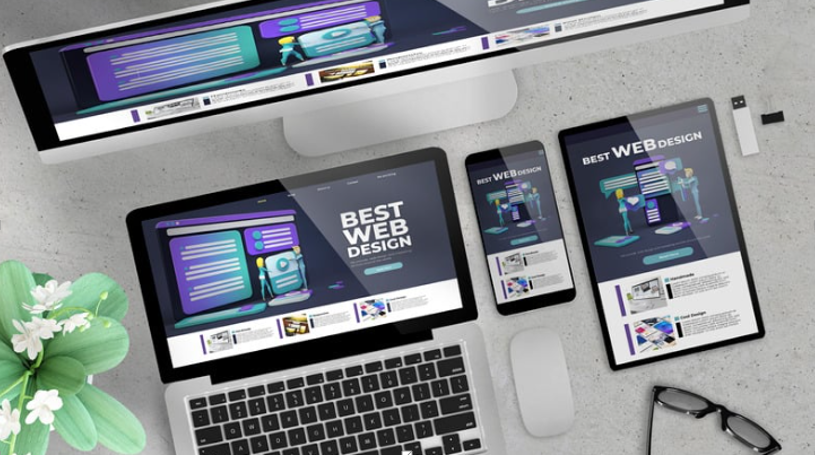
Creating a website that serves every potential visitor is a cornerstone of modern digital strategy. Web accessibility ensures that people with disabilities can perceive, understand, navigate, and interact with the web. This inclusive approach not only broadens your audience but also reflects a commitment to social responsibility. For businesses aiming to maximize their reach and impact, partnering with a professional web design company in Atlanta is critical. These experts ensure your site is built from the ground up with accessibility principles in mind, creating a welcoming digital space for all users.
Broadening Your Audience and Market Reach
An accessible website is one that everyone can use, regardless of their physical or cognitive abilities. When you design for accessibility, you are actively opening your digital doors to a larger segment of the population. This includes individuals with visual, auditory, motor, or cognitive impairments.
By overlooking this significant user base, businesses miss out on a substantial market. An inclusive design philosophy ensures that your products, services, and content are available to the widest possible audience. This not only increases potential revenue but also enhances your brand’s reputation as one that values inclusivity and equality. Working with professionals who understand how to implement user experience enhancements is key to effectively reaching this expanded audience and ensuring your site is welcoming to all.
Improving User Experience for Everyone
The principles of accessible design often lead to a better user experience for all visitors, not just those with disabilities. Features implemented for accessibility, such as clear navigation, high contrast text, and captions for videos, benefit every person who visits your site.
For example, a person watching a video in a noisy environment will appreciate captions, just as someone with a hearing impairment would. Similarly, a website that is easy to navigate with a keyboard is also easier for power users and those whose mouse may be broken. These universal design benefits create a more intuitive and less frustrating experience, encouraging visitors to stay longer and engage more deeply with your content. A streamlined, user friendly website ultimately leads to higher satisfaction and conversion rates.
See also: How 5G Technology Will Transform Communication
Strengthening Your Brand and SEO
A commitment to accessibility sends a powerful message about your brand’s values. It shows that your organization cares about creating an equitable experience for everyone. This can foster strong customer loyalty and differentiate you from competitors who may not have prioritized inclusivity. A positive brand image built on ethical practices is a valuable asset in today’s market.
Furthermore, many web design best practices overlap with search engine optimization (SEO) techniques. Elements like proper heading structures, descriptive alt text for images, and transcriptions for video content help search engine crawlers better understand and index your website. This improved indexing can lead to higher search rankings, driving more organic traffic to your site. This synergy between accessibility and SEO makes it a smart investment for any business looking to improve its online visibility and performance.
Conclusion
The importance of accessibility in web design cannot be overstated. It is a fundamental aspect of creating a successful and responsible online presence. By embracing inclusive design, businesses can expand their market reach, improve the user experience for every visitor, and enhance their brand reputation and SEO performance. Prioritizing accessibility is not just a compliance issue; it is a strategic decision that offers significant benefits, creating a digital environment that is open and effective for all.