Why Should You Recycle Metallic Items After Demolitions?
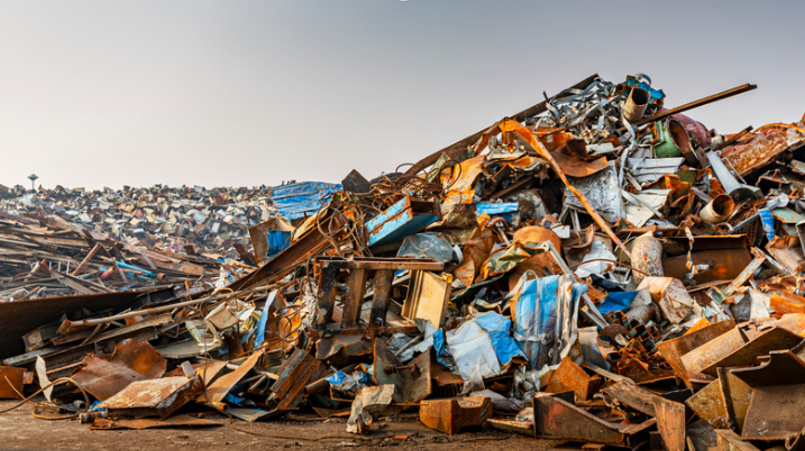
Demolition projects often leave behind large amounts of metal waste, much of which retains significant value when properly handled. Instead of allowing these materials to accumulate in landfills or remain unused, many property owners and contractors choose to recycle them as part of a responsible cleanup process. Early in the planning stage, individuals may search for scrap metal demolition in Dalton to ensure the materials are removed and processed by professionals who understand the importance of proper metal recovery. Recycling contributes to environmental protection, reduces project costs, and supports a more sustainable approach to construction and demolition waste.
Economic Advantages of Recycling Metal
Metal recycling is not only beneficial for the environment but also for your budget. Recovered metals can be exchanged for compensation based on material weight and type. Since metals such as copper and brass are especially valuable, incorporating recycling into a demolition plan can offset a portion of project costs.
Professional recycling services ensure metals are collected, sorted and transported efficiently. Because trained specialists use proper equipment for handling heavy and potentially hazardous materials, they streamline the removal process while maintaining safe working conditions. Clients benefit from a smoother cleanup and a clearer understanding of the value recovered from their site.
How Recycling Supports Environmental Responsibility
The environmental benefits of metal recycling are especially meaningful after a demolition project. Metals such as steel, copper, and aluminum can be used repeatedly without losing quality, which means recycling them significantly reduces the need to extract new raw materials. Mining and refining processes require extensive energy, and minimizing these steps leads to lower carbon emissions and reduced ecological harm.
Another important aspect of proper recycling is separating metals into categories based on their properties. Many demolition projects produce a mix of both ferrous and non-ferrous materials. Understanding how different metals are classified helps ensure each one is processed correctly. For those unfamiliar with the distinctions, understanding non-ferrous metal recycling can provide helpful insight as you prepare for a demolition cleanup.
How Recycling Reduces Waste and Improves Cleanup
Demolition projects naturally generate large volumes of debris. Sorting and recycling metallic items reduces the amount of waste that ends up in landfills. This not only supports environmental goals but also contributes to cleaner, safer project sites.
Recycling begins by identifying reusable materials during or immediately after the demolition process. Items such as pipes, structural beams, wiring, and fixtures often contain metals that can be reclaimed. Once separated, they are prepared for transport to certified facilities where they are melted down or refined for future use. This system of reuse extends the life cycle of metals and prevents unnecessary disposal.
See also: How Electricians Help Businesses Stay Energy Efficient
Supporting Community and Industry Sustainability
Communities benefit when recyclable materials are kept within the manufacturing cycle. Local industries that rely on metal supplies can produce goods more efficiently when recycled materials are readily available. This reduces production costs, encourages responsible resource management, and supports the local economy.
Additionally, choosing reputable metal recyclers helps create sustainable business practices across the demolition and construction industries. These partnerships promote responsible environmental behavior and inspire others to adopt similar approaches.
Conclusion
Recycling metallic items after demolitions is an effective way to protect the environment, reduce costs, and support sustainable industry practices. By working with trained professionals who prioritize proper sorting and recovery, individuals ensure valuable materials are reused rather than wasted. This thoughtful approach leads to cleaner project sites, a healthier environment, and long-lasting benefits for both communities and industries.