How Specialized Equipment is Used to Contain Contamination during Mold Remediation Services
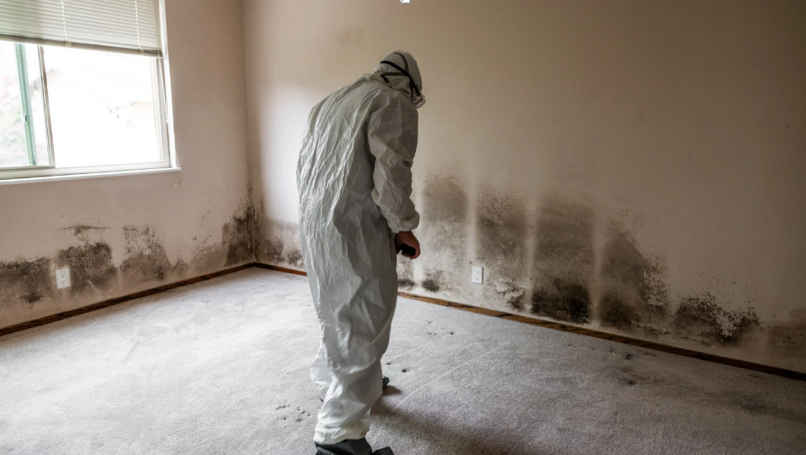
Mold contamination can spread quickly if not contained properly, which is why professional intervention is essential. Containment requires more than basic cleaning methods. It involves advanced tools, controlled environments, and specific procedures designed to stop mold spores from moving into clean areas. When homeowners seek mold remediation services in Atlanta, GA, early, contamination is easier to manage and long-term damage becomes less likely. Proper containment protects both the home and the health of those living in it.
Understanding how specialized equipment works helps homeowners appreciate the precision involved in the remediation process. Each tool has a specific function and ensures that mold growth does not expand during cleanup. This careful coordination makes professional services far more reliable than untrained approaches.
Why Mold Containment Matters
Containment is the first major step in successful remediation. Mold spreads through microscopic spores that travel through the air, settle on surfaces, and thrive in moisture. Without proper barriers and airflow control, these spores can quickly reach other rooms.
Professionals rely on proven strategies and equipment to isolate the affected area. Negative air pressure, sealed barriers, and filtration devices stop spores from drifting into uncontaminated spaces. This ensures that remediation does not unintentionally worsen the problem.
Equipment Used to Establish Safe and Controlled Containment
Before diving into specific tools, it is important to understand that remediation involves a structured and methodical process. As part of this process, professionals may also educate homeowners about the difference between mold remediation and mold removal, reinforcing why containment plays such a vital role.
Negative Air Machines for Proper Airflow Control
Negative air machines are essential for safe containment. These machines pull contaminated air from inside the work zone while preventing indoor air from flowing outward. This creates a pressure imbalance that keeps mold spores contained. The pulled air is then filtered through a HEPA system to capture particles before releasing the cleaned air.
This equipment supports a safer environment and significantly reduces the risk of mold spreading during removal activities.
HEPA Air Scrubbers for High Level Filtration
Air scrubbers use HEPA filtration to remove mold spores, dust, and contaminants from the air. These devices continuously cycle the air to keep the environment clean as work progresses. This prevents spores from settling on nearby surfaces and supports cleaner restoration conditions.
Air scrubbers are especially important when working in larger spaces or areas with severe contamination.
Protective Barriers for Isolation
Physical barriers, such as polyethylene sheeting, create a sealed environment that isolates the contaminated area from the rest of the home. These barriers are secured tightly around windows, doorways, and vents.
Combined with zipper doors or framed plastic walls, these barriers provide a structured workspace. They also help maintain the negative pressure environment created by the machines.
Specialized Tools for Moisture Detection
Professional remediation begins with identifying hidden moisture that may be feeding mold growth. Moisture meters and thermal imaging cameras detect damp areas behind walls or under flooring. This ensures that all mold sources are addressed during containment and removal. By identifying moisture early, professionals can prevent future contamination after remediation is complete.
See also: What to Expect During a Custom Home Consultation
Why Professional Mold Remediation Is Essential
Mold contamination involves health risks, structural concerns, and environmental challenges that require specialized handling. Professionals are trained to follow strict containment protocols that protect the home and ensure the mold does not spread during treatment.
Advanced tools and expertise allow remediation technicians to identify how far contamination has traveled, which areas need isolation, and which methods are required for effective cleanup.
Conclusion
Containment is a critical component of mold remediation because it prevents spores from spreading to unaffected areas. Through tools like negative air machines, HEPA air scrubbers, moisture detection devices, and sealed barriers, professionals create controlled conditions that allow safe and effective mold removal. These containment methods protect the home, safeguard occupant health, and support long term restoration success by addressing contamination with precision and care.