Ensuring High Standards: Integrating Roof Safety Solutions for Workplace Security
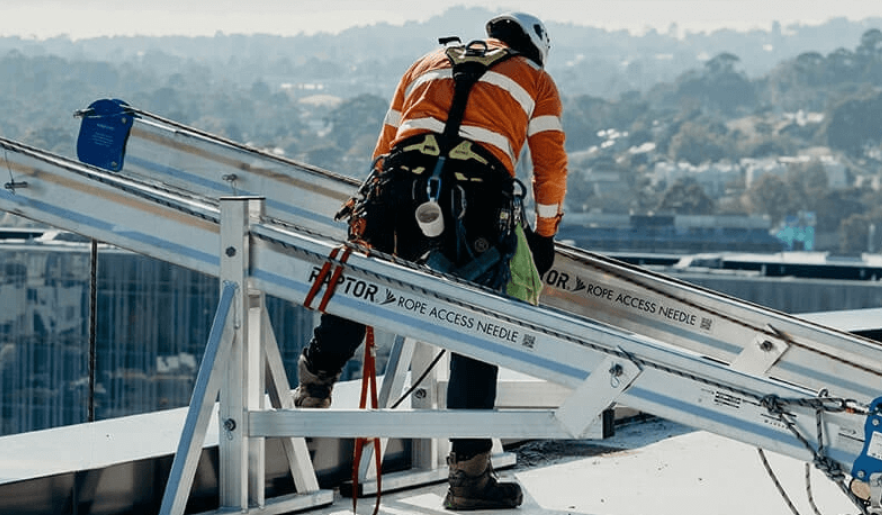
Workplace safety is a pivotal concern for businesses across various sectors. A safe working environment not only ensures the wellbeing of employees but also significantly reduces the risk of costly accidents and legal repercussions for employers. Among the many facets of workplace safety, one that demands considerable attention is the security and safety of employees who work at heights, particularly on rooftops. The integration of robust roof safety solutions is therefore a critical component in ensuring high standards of workplace safety.
The Importance of Roof Safety
The risks associated with working at heights are substantial, and the consequences of neglecting roof safety can be severe. Falls from heights remain one of the leading causes of workplace fatalities and serious injuries. It is the responsibility of employers to implement comprehensive safety systems that protect workers from these hazards. Failing to do so not only endangers the workforce but can result in regulatory non-compliance, financial penalties, and a tarnished reputation.
Assessment of Risk
Workplace safety, especially at heights, begins with a thorough risk assessment. Identifying potential hazards such as unstable surfaces, weather conditions, and unprotected edges is a necessary step towards formulating an effective safety plan. Understanding the specific risks associated with roof work enables businesses to implement tailored roof safety solutions that address the unique needs of each worksite.
See also: How Electricians Help Businesses Stay Energy Efficient
Safety by Design
Integrating safety into the very design of a workplace is a proactive approach to minimising risks. Architectural elements like guardrails and non-slip surfaces can contribute significantly to roof safety. Moreover, ensuring that there are secure points for attaching safety gear like harnesses and lanyards is an essential aspect of design for safety.
Training and Awareness
Even the best-designed roof safety solutions may fall short if the workforce is not properly trained to use them. Regular training sessions are crucial to keep the staff abreast of safety protocols and the correct usage of equipment. Awareness of risks and knowledge of emergency procedures can greatly reduce the incidence of accidents on the roof.
Investment in Quality Equipment
Investing in high-quality safety equipment is a fundamental component of effective roof safety solutions. Durable materials and well-constructed equipment ensure the reliability of safety harnesses, helmets, and other protective gear. Regular inspections and maintenance of this equipment are equally important to ensure that they function correctly when required.
Creating a Safety Culture
Engraining a culture of safety within an organisation goes beyond policy and equipment; it involves cultivating an environment where safety is a shared priority among all employees. Encouraging employees to watch out for one another and to speak up about unsafe practices can lead to a more secure and collaborative workplace.
Constantly evolving work environments necessitate businesses to stay updated with the latest safety trends and technologies. As new tools and methods become available, integrating these innovations into existing roof safety solutions ensures an ongoing commitment to the highest safety standards.
Engaging Experts for Custom Solutions
Each workplace has unique characteristics that can complicate the implementation of standard safety measures. Engaging with safety experts who can provide customised guidance and solutions can help address these complexities. Specialists in the field can offer insights and recommendations tailored to the particular needs and challenges of a worksite.
Compliance with Legislation
In the UK and many other regions, occupational safety is not just a matter of best practice but is also governed by strict regulations. Ensuring that the chosen roof safety solutions are compliant with all relevant laws and standards is of paramount importance. Such compliance protects workers and shields the business from legal complications.
Employers can achieve compliance by conducting regular safety audits, keeping records up to date, and by staying informed about changes to safety legislation. It is also essential for businesses to be transparent with their safety measures and to allow for regulatory inspections when required.
Monitoring and Review
An effective safety plan is not static; it requires ongoing monitoring and review to remain relevant. As the work environment and workforce change, so too should the safety strategies. Continuous evaluation of the roof safety solutions in place allows for timely updates and improvements, ensuring that the safety standards do not become outdated.
Motivating Contributions from Employees
Workers are often the first to notice potential hazards or flaws in safety systems. Encouraging them to provide feedback and to contribute ideas for improving safety can lead to a more comprehensive and effective roof safety protocol. Employee engagement also fosters a sense of ownership over their safety and the overall wellbeing of the team.
Concluding Safeguard Strategies
In conclusion, integrating high-quality roof safety solutions is an indispensable part of securing workplace safety. Such measures should be dynamic and continuously improved upon, considering the valuable feedback from boots-on-the-ground employees as well as guidance from safety experts. Through comprehensive planning, training, and a robust safety culture, businesses can protect their workers and meet their legal obligations, thereby upholding the highest standards of safety in the workplace.