
The Best Software and Hardware Upgrades for Toyota Tundra Tuning
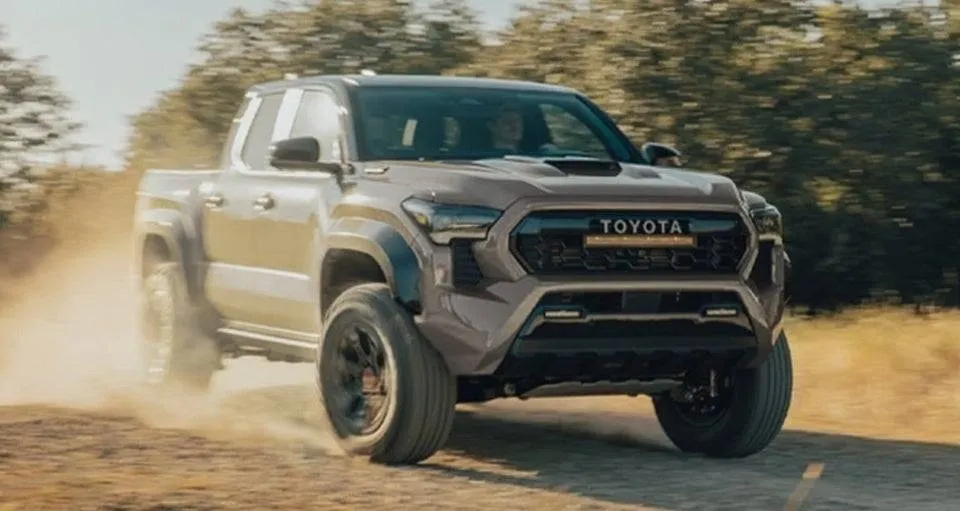
Enhancing the performance of your truck requires a combination of precise tuning and high-quality upgrades. Proper Toyota tundra tuning can improve horsepower, torque, fuel efficiency, and overall drivability. To achieve the best results, it is essential to focus on both software and hardware modifications. This article explores the most effective upgrades for optimizing your truck’s performance while maintaining reliability and long-term engine health.
Understanding Toyota Tundra Tuning
Tuning a truck involves adjusting the engine’s parameters to optimize performance for your specific driving needs. Whether you are looking to boost horsepower, increase towing capacity, or enhance fuel efficiency, tuning requires careful calibration.
Why Software and Hardware Matter
- Software Upgrades: Modify the truck’s electronic control unit (ECU) to adjust fuel injection, ignition timing, and boost levels. Proper software tuning allows the engine to operate efficiently under high-performance conditions.
- Hardware Upgrades: Include components such as intakes, exhaust systems, and superchargers that physically enhance engine airflow, fuel delivery, and combustion. Combined with software tuning, hardware upgrades maximize performance gains.
See also: How Electricians Help Businesses Stay Energy Efficient
Top Software Upgrades for Toyota Tundra Tuning
Software tuning is a crucial aspect of engine optimization. Modern trucks rely heavily on the ECU to manage performance, making software upgrades essential for safe and effective Toyota tundra tuning.
1. ECU Remapping
ECU remapping adjusts the engine’s parameters for better power delivery, improved fuel efficiency, and smoother throttle response. By recalibrating fuel injection, ignition timing, and other key variables, you can unlock additional horsepower and torque without compromising reliability.
2. Performance Chips
Performance chips can be installed to enhance engine responsiveness and power output. These chips adjust fuel-air ratios, ignition timing, and boost control for optimized performance. Performance chips are often designed to work in conjunction with other hardware upgrades.
3. Custom Tuning Software
Custom tuning software allows you to fine-tune your truck based on specific driving needs. Whether you are focused on towing, off-road performance, or everyday driving, software customization ensures that your engine operates optimally under all conditions.
Essential Hardware Upgrades for Toyota Tundra Tuning
While software adjusts how your engine operates, hardware upgrades physically improve airflow, fuel delivery, and combustion efficiency. Combining these upgrades with proper tuning yields the best results.
1. Cold Air Intakes
Cold air intakes allow the engine to draw in denser, cooler air, which improves combustion efficiency and increases horsepower. These systems also reduce airflow restrictions, helping the engine breathe better under high-performance conditions.
2. High-Flow Exhaust Systems
Upgrading your exhaust reduces backpressure, allowing exhaust gases to exit the engine more efficiently. This not only increases horsepower and torque but also enhances throttle response and produces a more aggressive exhaust note.
3. Superchargers
A supercharger compresses air and forces it into the engine, providing instant torque and horsepower gains. When paired with software tuning, a supercharger can dramatically enhance acceleration, towing capacity, and overall performance.
4. Upgraded Fuel Systems
High-performance fuel injectors and pumps ensure that the engine receives adequate fuel under boosted or high-load conditions. Proper fuel delivery prevents lean conditions that can lead to engine knocking or damage.
5. Performance Camshafts
Camshaft upgrades improve valve timing and airflow within the engine, enhancing both low-end torque and high-end horsepower. Performance camshafts are particularly effective when combined with superchargers or other forced induction systems.
Combining Software and Hardware for Maximum Performance
For the best results, software and hardware upgrades should be coordinated. Proper Toyota tundra tuning involves:
- Assessing current engine performance: Identify areas for improvement, such as airflow restrictions or fuel delivery limitations.
- Selecting compatible upgrades: Choose hardware and software modifications that complement each other.
- Professional calibration: Work with a qualified tuner to ensure that the ECU settings match the new hardware components.
- Testing and monitoring: Track key engine parameters such as air-fuel ratio, boost levels, and ignition timing to maintain safe and efficient operation.
Maintenance Tips After Upgrades
Upgraded trucks require consistent maintenance to maintain performance and reliability.
1. Regular Oil Changes
High-performance engines generate more heat and stress, making quality oil and timely changes essential for protecting internal components.
2. Inspect Belts and Pulleys
If you’ve added a supercharger or other forced induction system, belts and pulleys should be checked regularly for wear or misalignment.
3. Clean or Replace Air Filters
Ensuring clean airflow is critical for maintaining optimal combustion and performance.
4. Monitor Cooling Systems
Upgraded engines often produce more heat. Maintaining radiators, intercoolers, and coolant levels helps prevent overheating.
Benefits of Software and Hardware Upgrades
Combining software and hardware upgrades in Toyota tundra tuning delivers several advantages:
- Increased Horsepower and Torque: Unlock the engine’s full potential for acceleration and towing.
- Improved Fuel Efficiency: Optimized combustion reduces waste and improves mileage under normal driving conditions.
- Enhanced Driving Experience: Smoother throttle response, better handling, and more immediate power delivery.
- Long-Term Engine Reliability: Properly tuned engines experience less stress, reducing the risk of damage over time.
Conclusion
Optimizing your truck’s performance requires a balanced approach that integrates both software and hardware upgrades. ECU tuning, performance chips, and custom software ensure that your engine operates efficiently, while cold air intakes, exhaust upgrades, superchargers, and fuel system enhancements provide the physical improvements necessary for maximum power.
Proper Toyota tundra tuning combines these elements, resulting in a powerful, responsive, and reliable truck capable of handling daily driving, towing, or off-road adventures. By following best practices and maintaining your upgrades, you can enjoy long-lasting performance and unlock your vehicle’s true potential.
