How to Choose the Right Communication Radios Easily
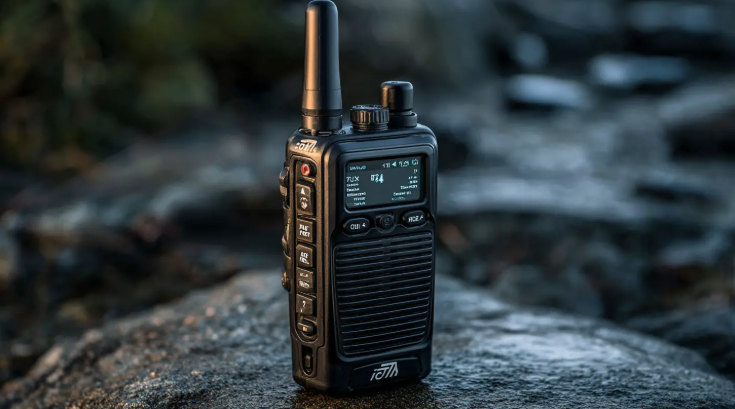
In today’s fast-paced world, reliable communication is essential for businesses and professionals working in demanding environments. While smartphones dominate personal communication, they often fall short in areas with weak signals or during emergencies. That’s where communication radios come in—offering instant, dependable, and secure connectivity. For those looking for professional solutions in Mexico, platforms like RadioRed provide a wide range of high-quality equipment tailored to different industries.
Why Communication Radios Still Matter
Communication radios are designed for efficiency and reliability. Unlike mobile phones, they don’t rely on cellular networks, making them ideal for remote or high-risk environments.
Here’s why they are still widely used:
Instant push-to-talk communication
Reliable performance in remote areas
Durable design for tough environments
Long battery life
Secure and private communication channels
Industries such as logistics, public safety, construction, and tourism rely heavily on these devices for smooth operations.
Main Types of Communication Radios
Choosing the right radio depends on your work environment and communication needs. Let’s explore the most common types available today.
Portable Radios (Handheld)
Portable radios are compact and easy to carry, making them perfect for everyday professional use.
Best for:
Security personnel
Event management
Hospitality businesses
Construction teams
Key benefits:
Lightweight and user-friendly
Rechargeable batteries
Easy channel switching
Mobile Radios
Mobile radios are installed in vehicles and offer greater power and range.
Ideal for:
- Transportation fleets
- Delivery services
- Emergency response units
Advantages:
- Stronger signal output
- Extended coverage
- External antenna support
Marine Radios
Designed specifically for water environments, marine radios are essential for safety at sea.
Features include:
- Waterproof construction
- Emergency distress channels
- Weather alerts
Used in:
Boats and yachts
Fishing operations
Marine tourism
Aviation Radios
Aviation radios are used for communication between pilots and air traffic control.
Highlights:
Specialized frequency ranges
High clarity communication
Reliable performance in flight
Intrinsically Safe Radios
These radios are built for hazardous environments where flammable gases or dust may be present.
Common industries:
Oil and gas
Mining
Chemical plants
Benefits:
Explosion-proof design
Certified safety standards
Rugged durability
The Role of Repeaters in Communication
Repeaters are essential devices that extend the coverage area of radio systems. They receive signals and retransmit them at higher power, allowing communication over longer distances.
Why use repeaters:
Eliminate dead zones
Improve signal clarity
Expand operational range
They are especially useful for large facilities, cities, and mountainous regions.
Must-Have Radio Accessories
Accessories can significantly improve the performance and usability of your radio equipment.
Some essential accessories include:
High-capacity batteries
Multi-unit chargers
Remote speaker microphones
Headsets and earpieces
High-gain antennas
Investing in quality accessories ensures better efficiency and user comfort.
Modern Features in Radio Technology
Today’s communication radios come equipped with advanced features that enhance performance and usability.
Digital Radio Technology
Digital radios offer clearer audio and better spectrum efficiency compared to analog systems.
Advantages:
Reduced background noise
Improved voice clarity
Longer battery life
GPS Tracking
Some radios include built-in GPS, allowing real-time tracking of users.
Useful for:
Fleet management
Security operations
Emergency services
Bluetooth Connectivity
Wireless connectivity enables users to connect headsets and other accessories without cables.
Software Integration
Advanced systems allow centralized control and monitoring through software platforms, improving coordination and management.
See also: How 5G Technology Will Transform Communication
Tips for Choosing the Right Radio
Selecting the best communication radio requires careful consideration of several factors:
1. Coverage Range
Determine how far your communication needs to reach.
2. Environment
Indoor, outdoor, industrial, or marine environments require different specifications.
3. Frequency Type
VHF: Better for open outdoor spaces
UHF: Ideal for indoor environments with obstacles
4. Battery Performance
Choose radios with long-lasting batteries for extended shifts.
5. Durability
Look for rugged models resistant to water, dust, and impact.
Trusted Brands in the Industry
Reliable brands ensure better performance and longevity. Some of the most respected names include:
Kenwood
IOM
Motorola
These manufacturers are known for producing high-quality radios with cutting-edge technology.
Best Practices for Using Communication Radios
To maximize the performance of your radios, follow these simple tips:
Keep batteries fully charged
Use the correct antenna for your environment
Regularly test and maintain your equipment
Train your team on proper usage
Keep channels organized to avoid interference
Future Trends in Radiocommunication
The communication industry continues to evolve with new innovations shaping the future:
Integration with LTE and 5G networks
Hybrid devices combining radio and smartphone features
Enhanced encryption for secure communication
Smart automation and AI-based systems
These advancements are making communication faster, safer, and more efficient than ever before.
Final Thoughts
Communication radios remain an essential tool for professionals who require reliable, instant, and secure connectivity. Whether you need portable radios for daily operations or advanced systems with repeaters and GPS tracking, there are solutions available for every scenario. If you are planning to upgrade your communication equipment, exploring trusted sources like radiored.com.mx can help you find the right products with confidence.
Investing in the right communication technology today will ensure better performance, safety, and long-term reliability for your business operations.