Floor Coating Solutions: The Complete Types and Benefits Guide
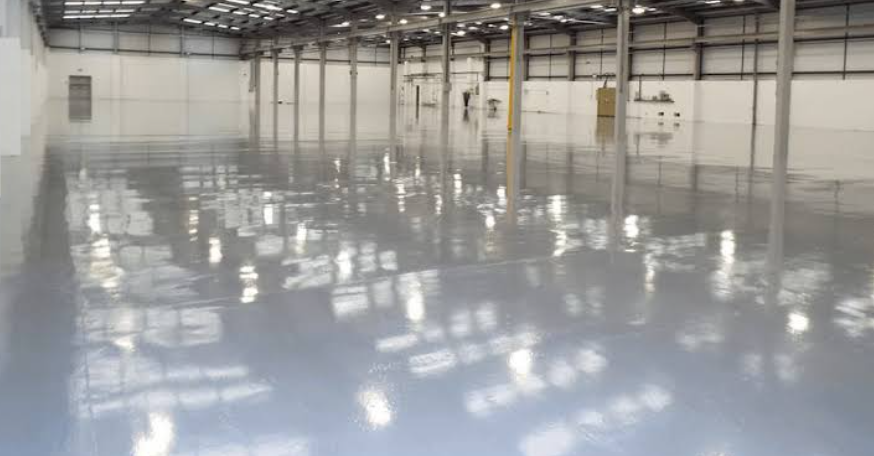
Bare concrete floors stain easily, crack over time, and look tired fast. Floor coating solutions fix all three problems while giving your space a clean, professional finish.
This guide compares the main types of floor coating solutions, their benefits, and typical costs, so you can choose the right one for your garage, warehouse, or commercial space.
Table of Contents
- What Are Floor Coating Solutions?
- Main Types of Floor Coatings
- Epoxy Floor Coatings
- Polyurea Floor Coatings
- Polyaspartic Floor Coatings
- Comparing the Three Options
- Benefits of Floor Coating Solutions
- Cost Guide
- How to Choose the Right Solution
What Are Floor Coating Solutions?
Floor coating solutions are protective layers applied over concrete to guard against stains, chemicals, moisture, and wear. They also improve the look of a floor, often adding color, texture, or a glossy finish.
These coatings are used in garages, warehouses, factories, retail spaces, and even homes, wherever a plain concrete floor needs extra protection or a better appearance.
Main Types of Floor Coatings
Three coating types dominate the market today: epoxy, polyurea, and polyaspartic. Each has its own strengths, so understanding the differences helps you avoid picking the wrong one for your space.
Epoxy Floor Coatings
Epoxy has been the standard choice for decades. It bonds strongly to properly prepared concrete and offers solid chemical resistance at a lower cost than newer alternatives.
- Strong adhesion when applied over well-prepared concrete.
- Good chemical resistance for garages and light industrial use.
- Lower cost compared to polyurea and polyaspartic options.
- Longer cure time, often needing a couple of days before full use.
Polyurea Floor Coatings
Polyurea is a newer coating known for extreme durability and fast curing. It handles temperature swings and heavy traffic better than standard epoxy.
- Cures in hours rather than days, reducing downtime.
- Flexible, so it resists cracking as concrete expands and contracts.
- UV stable, meaning it will not yellow in sunlight over time.
- More expensive than epoxy but offers stronger long-term performance.
Polyaspartic Floor Coatings
Polyaspartic coatings use refined resins and hardeners, offering some of the best performance available, often at a higher price point than both epoxy and standard polyurea.
- Extremely fast curing, often ready for use the same day.
- High resistance to abrasion, chemicals, and UV exposure.
- Available in a wide range of colors, finishes, and textures.
- Typically the most expensive of the three main coating types.
Comparing the Three Options
| Feature | Epoxy | Polyurea | Polyaspartic |
| Cure time | 1-2 days | A few hours | Same day |
| Durability | Good | Very good | Excellent |
| UV stability | Can yellow over time | UV stable | UV stable |
| Typical cost per sq ft | $4 – $7 | $7 – $12 | $8 – $15 |
| Best for | Indoor, budget projects | Garages, temperature swings | High-performance commercial use |
Benefits of Floor Coating Solutions
- Protects concrete from stains, chemicals, and moisture damage.
- Extends the life of your floor by preventing cracks and surface wear.
- Improves safety with slip-resistant textures and finishes.
- Boosts the appearance of a space with color and gloss options.
- Reduces long-term maintenance and cleaning costs.
See also: Lifestyle Choices and Their Impact on Long-Term Health
Cost Guide
Prices vary based on coating type, floor size, and level of surface preparation needed before application.
| Coating Type | Cost Per Square Foot |
| Epoxy | $4 – $7 |
| Polyurea | $7 – $12 |
| Polyaspartic | $8 – $15 |
How to Choose the Right Solution
- Choose epoxy for indoor, budget-conscious projects like basements or light-use garages.
- Choose polyurea for garages and spaces exposed to temperature swings or heavy traffic.
- Choose polyaspartic for high-performance commercial spaces needing the fastest turnaround and toughest finish.
- Always confirm proper concrete preparation, since even the best coating fails on a poorly prepared surface.
Frequently Asked Questions
Which floor coating lasts the longest?
Polyaspartic and polyurea coatings generally outlast standard epoxy, thanks to better flexibility, UV stability, and resistance to cracking under temperature changes.
Is epoxy or polyurea better for a garage floor?
Polyurea is often recommended for garages, especially in areas with temperature swings, since it resists cracking and cures much faster than epoxy.
How long does a floor coating take to install?
Epoxy typically takes one to two days to cure, while polyurea can cure in a few hours and polyaspartic coatings are often ready the same day.
How much do floor coating solutions cost?
Costs typically range from $4 to $7 per square foot for epoxy, $7 to $12 for polyurea, and $8 to $15 for polyaspartic coatings, depending on prep work needed.
Do floor coatings need special maintenance?
Most coatings only need regular sweeping and occasional mopping, though harsh chemicals and abrasive cleaning tools should be avoided to protect the finish.
Conclusion
Floor coating solutions protect your concrete, improve safety, and upgrade the look of any space. Epoxy offers a budget-friendly option for indoor use, polyurea handles temperature swings and heavy traffic well, and polyaspartic delivers the fastest cure time with top-tier durability.
Think about your space’s traffic level, temperature exposure, and budget before choosing. The right floor coating solution will protect your investment for years to come.